
Ooni Karu 12
A capable pizza oven that gas / charcoal fuel and reaches up to 500°C, best judged on the fuel type and pizza size that suit how you cook.
Gas or wood is the biggest decision in buying a pizza oven. This guide compares them honestly on convenience, flavour, cost, learning curve and clean-up, so you can pick the one that suits how you actually cook.
Choose gas for convenience and consistency, and wood for flavour and occasion. Gas suits busy weeknights and beginners: light it, set the dial and cook. Wood suits weekend cooks who enjoy tending a fire and want real smokiness and char. If you genuinely want both, a multi-fuel oven gives you the choice on the day.
Gas wins clearly here. There is no fire to build, feed or clean up, just push-button heat that holds steady on a dial, so you can be cooking minutes after lighting. Wood demands more: lighting the fire, bringing it up to temperature, managing the flame through the bake and clearing ash afterwards. For weeknight pizza, gas is far less effort.
Wood wins on flavour. Burning wood adds a subtle smokiness and a depth that gas cannot fully replicate, along with the char that comes from a rolling live flame. Gas pizza is still excellent and most people would be very happy with it, but side by side, many cooks find wood-fired pizza has more character and a sense of occasion.
Gas ovens run on propane from a refillable bottle, which is cheap, predictable and easy to top up. Wood means buying or sourcing kiln-dried hardwood and storing it dry, which can cost more over time and takes space. Upfront prices overlap heavily, so think about ongoing fuel cost and storage as much as the sticker price.
Gas is forgiving: steady heat lets you focus on launching and turning. Wood adds the challenge of fire management on top of the pizza technique, which is rewarding but harder at first. Clean-up also favours gas, since there is no ash, while wood-fired ovens need the firebox cleared between uses to keep airflow good.
Pick gas if you value ease, cook on weeknights, are new to pizza ovens, or want the lowest-fuss route to great results. Pick wood if you love the process, cook mostly at weekends, and want maximum flavour and theatre. Pick multi-fuel if you cannot choose, accepting that the gas burner may be an added cost.
A capable pizza oven that gas / charcoal fuel and reaches up to 500°C, best judged on the fuel type and pizza size that suit how you cook.

A capable pizza oven that wood/pellet fuel and reaches up to 460°C, best judged on the fuel type and pizza size that suit how you cook.
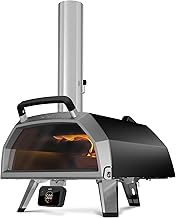
A capable pizza oven that wood/pellet fuel and reaches up to 500°C, best judged on the fuel type and pizza size that suit how you cook.
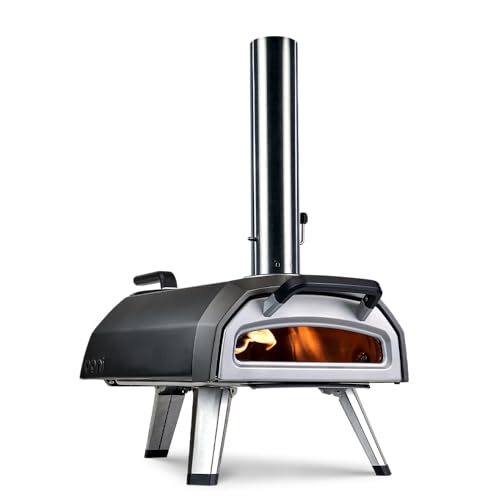
A capable pizza oven that multi-fuel (e.g. Wood and gas) and reaches up to 500°C, best judged on the fuel type and pizza size that suit how you cook.

A capable pizza oven that gas / electric fuel and reaches up to 450°C, best judged on the fuel type and pizza size that suit how you cook.

A capable pizza oven that gas fuel and reaches up to 500°C, best judged on the fuel type and pizza size that suit how you cook.
Neither is simply better - it depends on you. Gas is more convenient and consistent, ideal for weeknights and beginners. Wood gives more flavour and occasion but needs fire management. Multi-fuel ovens let you have both.
Many cooks find wood-fired pizza has a subtle smokiness and char that gas cannot fully match. Gas pizza is still excellent, but if flavour and occasion matter most to you, wood usually has the edge.
Gas from a refillable propane bottle is cheap and predictable. Wood means buying kiln-dried hardwood and storing it dry, which can cost more over time and takes space, so gas is often cheaper and simpler to run.
Our top pick is the Ooni Karu 12 (our score 9.6/10) - A capable pizza oven that gas / charcoal fuel and reaches up to 500°C, best judged on the fuel type and pizza size that suit how you cook..